Tokyo is the largest city on earth, and somehow it works. Also known as The Big Mikan — a playful nod to the Japanese word for mandarin orange — it’s a metropolis of over 13 million people that moves with a precision and energy that feels almost choreographed. Ancient temples sit in the shadow of glass skyscrapers. Quiet residential alleys open onto neon-lit entertainment districts. The food is extraordinary at every price point, the public transport is the best in the world, and the culture rewards curiosity at every turn. Tokyo is one of those cities that changes how you think about what a city can be.
The Skyline & Iconic Views
Tokyo’s skyline is one of the most dramatic in Asia, and there are several ways to take it in.
The Tokyo Skytree is the tallest structure in Japan — a 634-metre broadcasting tower with two observation decks that offer extraordinary views over the city and, on clear days, all the way to Mount Fuji. The Tokyo Metropolitan Government Building in Shinjuku has free observation decks that are among the best-kept secrets in the city. And from Roppongi Hills or the Mori Art Museum on the 52nd floor, the view at night — with the city stretching to the horizon in every direction — is one of the most beautiful urban panoramas in the world.
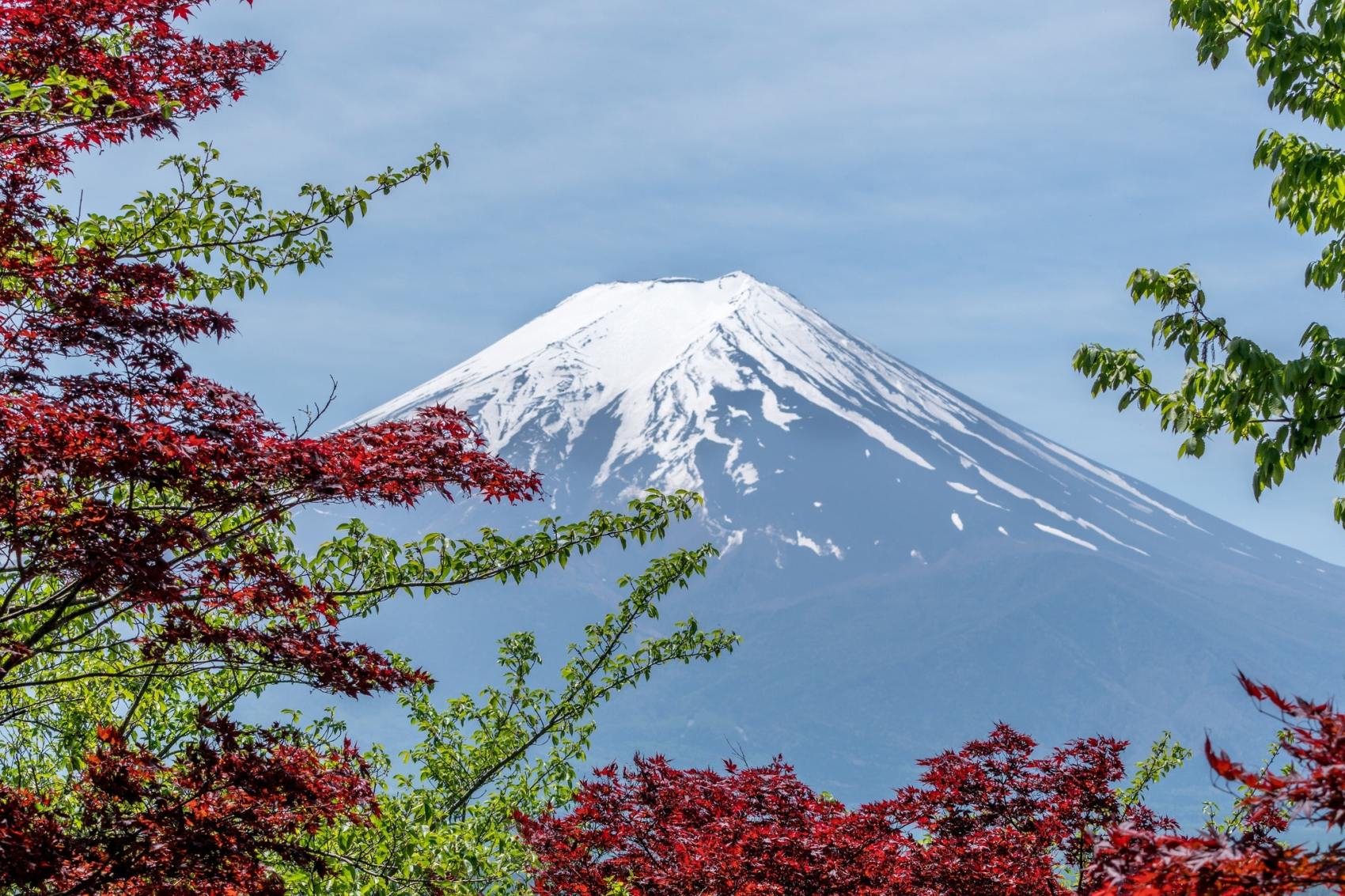
Speaking of Mount Fuji — Japan’s iconic volcano, standing at 3,776 metres, is visible from Tokyo on clear days and is within easy reach for a day trip. Hakone and the Fuji Five Lakes region are the classic bases for getting up close, offering views across the water with the mountain behind them that have become some of the most recognisable images in Japanese photography.
Temples, Shrines & History
Tokyo is a modern city built on centuries of history, and that history is never far from the surface.
Senso-ji Temple in Asakusa is the oldest temple in Tokyo, dating back to 628 AD. The approach through the Kaminarimon gate, along the Nakamise shopping street lined with traditional stalls, and into the main hall is one of the great ceremonial walks in Asia. Go early in the morning before the crowds arrive and the atmosphere is genuinely moving.
The Meiji Shrine, set within a vast forested area in the heart of the city, is one of the most important Shinto shrines in Japan — dedicated to Emperor Meiji, who opened Japan to the world in the 19th century. The walk through the towering torii gate and along the forested path to the shrine is one of the most peaceful experiences Tokyo has to offer, all the more remarkable for being a few minutes from the chaos of Harajuku.
The Imperial Palace, surrounded by moats and ancient stone walls in the centre of the city, is the residence of the Japanese imperial family. The inner grounds are generally closed, but the East Gardens are open to visitors and offer a beautiful and historically rich walk through one of the most significant sites in Japan. The Nijubashi Bridge, with its double arches reflected in the moat, is one of the most photographed spots in Tokyo.
In Yanaka, one of the few neighbourhoods that survived both the 1923 earthquake and the Second World War bombings, you can walk through preserved wooden houses, small temples, and a traditional cemetery that feels like a window into old Tokyo.
The Neighbourhoods
Tokyo’s neighbourhoods are where the city truly reveals itself — each one a world of its own.
Shibuya is home to the famous Shibuya Crossing — the busiest pedestrian intersection in the world, where up to 3,000 people cross simultaneously from every direction when the lights change. It’s chaotic, exhilarating, and quintessentially Tokyo. The best view is from the Starbucks or the Shibuya Sky observation deck above.
Harajuku, just a short walk away, is Tokyo’s fashion epicentre — Takeshita Street is where Japan’s most extreme and creative youth fashion plays out in real time, while Omotesando, the wide tree-lined boulevard nearby, is where the luxury brands have their most architecturally ambitious flagship stores. Right next door, Yoyogi Park offers a different kind of energy entirely — Tokyo’s largest park, where on any given weekend you’ll find rockabilly dancers, street musicians, picnicking families, and joggers all sharing the same green space in the middle of the city.
Shinjuku is Tokyo’s most intense neighbourhood — the busiest train station in the world, the neon-lit entertainment district of Kabukicho, Golden Gai with its labyrinth of tiny bars each seating no more than a handful of people, and the quieter Shinjuku Gyoen garden offering a green escape in the middle of it all.
Nakameguro, especially along the Meguro River, has become one of the most photographed neighbourhoods in Tokyo — boutiques, coffee shops, and restaurants lining a canal that transforms into one of the best cherry blossom spots in the city every spring.
Akihabara is Tokyo’s electronics and anime district — floors of the latest gadgets, vintage video games, manga, and the full spectrum of Japanese pop culture. Whether you’re a fan or just curious, it’s a fascinating place to spend a few hours.
Odaiba, the futuristic artificial island in Tokyo Bay, offers a completely different side of the city — teamLab Borderless, the immersive digital art museum, is here, along with shopping centres, the life-sized Gundam statue, and views back across the bay to the Rainbow Bridge and the city skyline.
Art & Culture
Tokyo’s art scene is as layered as the city itself. The teamLab Borderless digital art museum — recently reopened in a new location — is one of the most extraordinary art experiences in the world, an immersive environment where digital installations fill entire rooms and respond to the movements of visitors. The Mori Art Museum in Roppongi shows contemporary art at the highest level, with a view to match. The National Museum of Modern Art (MOMAT) near the Imperial Palace has the most comprehensive collection of modern Japanese art in the country.
Japanese culture runs deep, and Tokyo offers countless ways to engage with it — tea ceremonies, ikebana (flower arranging), kabuki theatre at the Kabukiza in Ginza, and the sumo tournaments held in Tokyo three times a year at the Ryogoku Kokugikan. Watching a sumo bout live is one of the most distinctive sporting experiences Japan offers.
Food
Tokyo has more Michelin stars than any other city in the world. That fact alone should tell you something about what’s possible here.
Start with the classics — ramen, sushi, tempura, yakitori, tonkatsu. The Tsukiji outer market, even after the wholesale fish market moved to Toyosu, remains one of the best places in the city for fresh seafood breakfast and sushi from stalls that have been operating for decades. In the alleys of Shinjuku and Shibuya, izakayas — Japanese gastropubs — offer everything from grilled skewers to sashimi in settings that are half restaurant, half social ritual.
Cherry blossom season in spring transforms the city completely. Ueno Park, Chidorigafuchi, Nakameguro, and Shinjuku Gyoen are all spectacular during hanami — the tradition of gathering under the blossoms with food, drink, and friends. It’s one of the most beautiful things Tokyo does.
Beyond the City
Odaiba and the Tokyo Bay area aside, some of the best experiences near Tokyo require a short journey out of the city. Tokyo Disneyland and Tokyo DisneySea, in nearby Chiba, are among the most visited theme parks in the world — DisneySea in particular is considered by many to be the best Disney park anywhere, with its unique nautical theming found nowhere else in the world. Hakone, less than two hours away, offers hot springs, mountain scenery, and the best views of Mount Fuji. Nikko, to the north, is home to one of the most ornate shrine complexes in Japan. And Kamakura, south of the city, has the famous Great Buddha — a 13-metre bronze statue sitting in the open air — and some of the most beautiful temples in the country.
The City That Changes Everything
Tokyo is one of those places that recalibrates your sense of what’s possible. The efficiency, the beauty, the food, the culture — it adds up to something that’s hard to articulate until you’ve experienced it yourself. Most people who visit leave wanting to come back longer.
Once you’ve decided it’s time to go, check out our practical guide for everything you need to know before you land.
Have a nice trip!!! 🙂



Leave a Reply