London is one of those cities that contains multitudes. Also known as The Big Smoke, it’s ancient and modern at the same time — you can walk from a Roman wall to a glass skyscraper in ten minutes, and neither feels out of place. It’s the city of the Queen’s Guard and the punk movement, of Shakespeare and the Rolling Stones, of afternoon tea and the best curry you’ve ever had. There’s no single version of London. There are thousands, and you get to choose which one you explore.
Iconic Landmarks
No visit to London is complete without the classics, and the classics here are genuinely world-class.
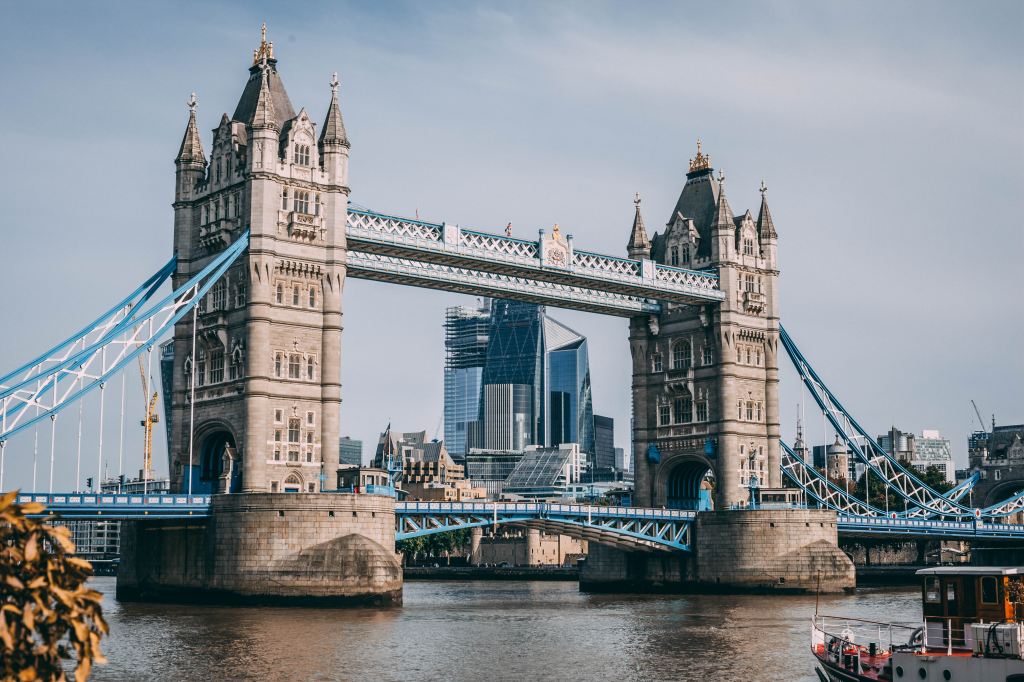
The Tower of London is a thousand years of history compressed into a single building — a royal palace, a prison, a place of execution, and now home to the Crown Jewels. It’s one of the most visited sites in Britain and deservedly so. Nearby, Tower Bridge is one of the most recognizable bridges in the world, and walking across it — or visiting the exhibition inside — rewards you with extraordinary views of the Thames and the city on both sides.
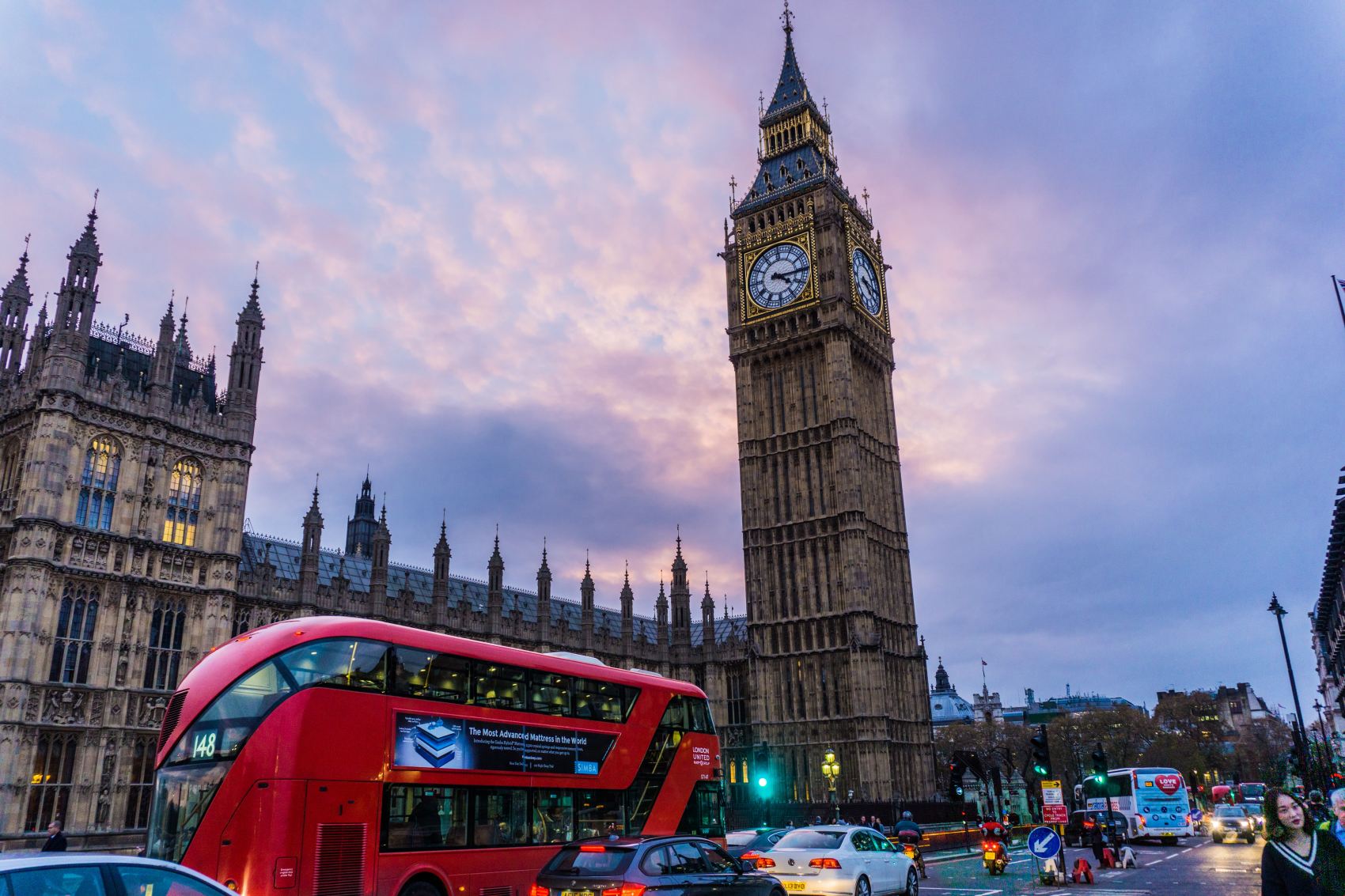
Big Ben and the Palace of Westminster define the London skyline along the river. The clock tower, officially called Elizabeth Tower, is currently undergoing restoration but still unmissable. Westminster Abbey, just a short walk away, is where British monarchs have been crowned for nearly a thousand years — the architecture alone is worth the visit, but the layers of history buried within are something else entirely.
Buckingham Palace is the official residence of the British monarch, and the Changing of the Guard ceremony outside is one of London’s most iconic spectacles. For a view of the entire city, The Shard — Western Europe’s tallest skyscraper — has an observation deck that puts London at your feet.
Museums & Art
London’s museums are among the finest in the world, and most of them are completely free.
The British Museum is where you start — a vast collection of human history from every civilization on earth, including the Rosetta Stone and the Elgin Marbles. The National Gallery on Trafalgar Square houses one of the greatest collections of European painting in existence, from Leonardo da Vinci to Van Gogh. Trafalgar Square itself — with Nelson’s Column at its center and the fountains around it — is one of London’s most iconic public spaces, a natural gathering point in the heart of the city. For contemporary art, Tate Modern — housed inside a converted power station on the South Bank — is one of the best modern art museums in the world. Tate Britain, its sister museum, focuses on British art from the 16th century to the present.
And then there’s St. Paul’s Cathedral — Christopher Wren’s masterpiece, rebuilt after the Great Fire of London in 1666. Climb to the Whispering Gallery inside the dome, where sound travels along the walls in an almost impossible way.
The Neighborhoods
London’s neighborhoods are where the real city lives, and each one is a world unto itself.
Covent Garden is one of the most lively and entertaining parts of central London — street performers, independent shops, the Royal Opera House, and some of the best people-watching in the city. Camden Market is London’s alternative heart — a labyrinth of stalls, vintage clothing, street food, and music that reflects the city’s rebellious, creative spirit. Portobello Road Market in Notting Hill is the place for vintage finds, antiques, and a neighborhood that somehow manages to feel like a village in the middle of a city of nine million people. Go on a Saturday when the market is in full swing.
Notting Hill itself is one of London’s most photogenic areas — pastel-coloured houses, independent cafés, and the kind of quiet charm that makes you want to move there immediately.
For something completely different, Greenwich is worth the trip — it’s where the Prime Meridian runs, home to the Royal Observatory, and has one of the best views of the London skyline from the hill in Greenwich Park. The Cutty Sark, the last surviving tea clipper, is also here.
Parks & the Thames
London has more green space than almost any other major city in the world, and it shows. Hyde Park is the most famous — 350 acres in the heart of the city, with the Serpentine lake, open-air concerts, and the kind of relaxed energy that’s hard to find anywhere else in central London. Regent’s Park is more formal but equally beautiful, with its rose gardens and the nearby London Zoo. Kew Gardens, further out to the west, is a UNESCO World Heritage Site and one of the most extraordinary botanical gardens in the world.
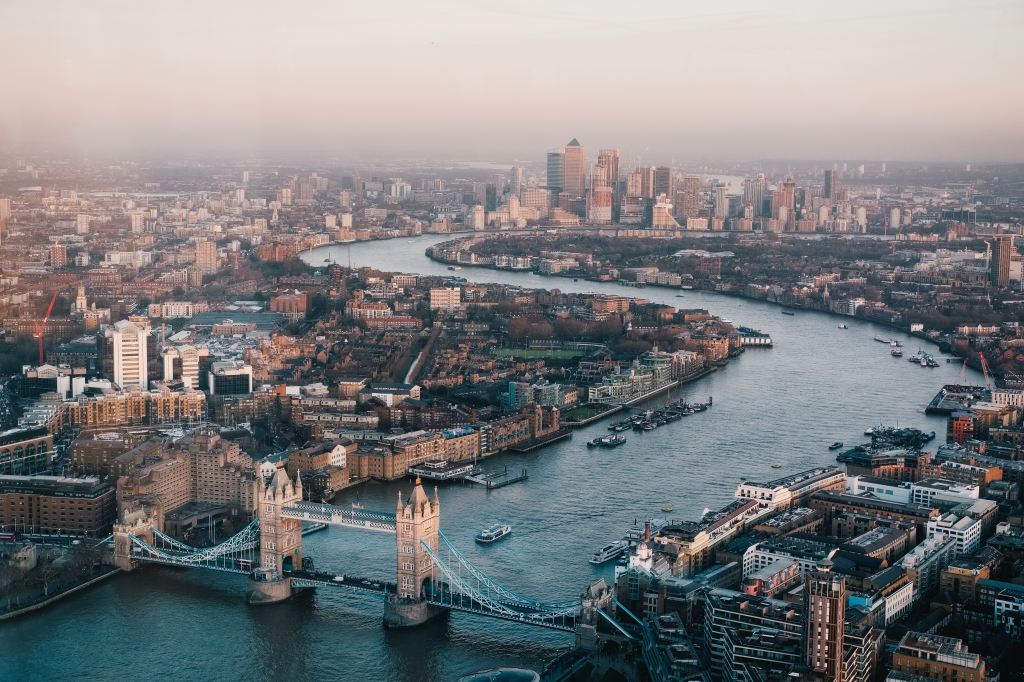
Along the Thames, the riverside walk is one of the great London experiences. Start at Borough Market — one of London’s oldest and finest food markets, with stalls selling everything from fresh bread to street food from around the world — and walk west along the South Bank, taking in the London Eye, the Tate Modern, and the views across the river to St. Paul’s.
Speaking of the London Eye — the giant observation wheel on the South Bank offers a different kind of panorama, slow and sweeping, perfect for getting your bearings in a city this size.
Theater, Shopping & Nightlife
London’s West End is the theatrical heart of the world — alongside Broadway, there’s nowhere else on earth with this concentration of world-class productions. From long-running musicals to new plays, Theatreland offers something every night of the week. Book in advance for the big shows.
For shopping, London has something for every taste — from the luxury boutiques of Knightsbridge and Bond Street to the independent shops of Carnaby Street and the markets of Portobello and Camden.
And then there’s the pub. The British pub is a cultural institution unlike anything else — not just a place to drink, but a living room, a meeting place, a community hub. Find a traditional pub, order a pint of something local, and settle in. It’s one of the most authentically London things you can do, and it costs almost nothing.
Food & British Culture
British food has an unfair reputation. Yes, the classics are simple — fish and chips, pies, the full English breakfast — but done well, they’re genuinely great. London is also one of the most diverse food cities in the world, with outstanding Indian, Chinese, Middle Eastern, and West African restaurants that reflect the city’s extraordinary multiculturalism.
Don’t leave without having a proper full English breakfast at a traditional café, fish and chips wrapped in paper by the river, and at least one curry in the East End, where some of the best South Asian food in Europe is served.
Getting Around
One final thing worth mentioning — the London Underground, known as the Tube, is one of the oldest and most extensive metro systems in the world. It’s the easiest way to get around a city this size, and navigating it is part of the London experience. Get an Oyster card or use contactless payment, and the whole city opens up.
The City That Contains Multitudes
London rewards the curious. The more you look, the more you find — a hidden courtyard, a centuries-old pub, a street market that’s been running since the Middle Ages. It’s a city that takes time to understand, and that’s exactly what makes it worth coming back to.
Once you’ve decided it’s time to go, check out our practical guide for everything you need to know before you land.
Have a nice trip!!! 🙂




 WhereToGo
Leave a comment